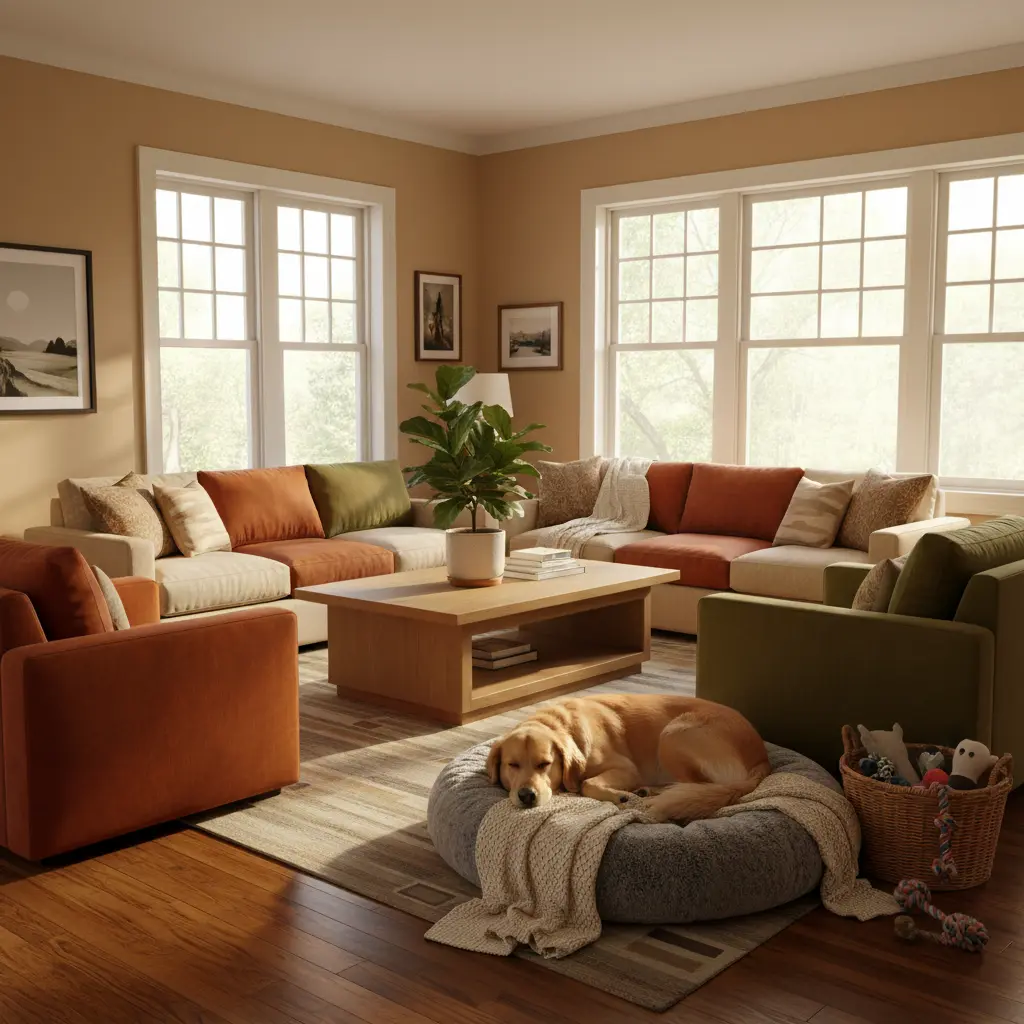
(A vibrant, welcoming image of a living room with a dog bed in the corner and toys neatly in a basket.)
Meta Description: Welcoming a new furry friend? Our heartfelt guide shows you how to pet-proof your home, room by room. Create a safe, happy space for your dog or cat with our practical tips and must-have products.
Creating a Safe Haven: Your Heartfelt Guide to a Pet-Proofed Home
Hello, wonderful pet parents! There’s nothing quite like the joy of bringing a new furry family member home. It’s a whirlwind of wagging tails, purrs, and adorable mischief. But in between the cuddles, have you ever paused and looked at your home through your pet’s eyes?
That dangling phone charger looks like a fun chew toy. The lovely lily on the coffee table is a curious snack. That cozy space behind the bookshelf is the perfect hiding spot.
Pet-proofing isn’t about restricting your style or living in a fortress. It’s an act of love. It’s about rolling out the welcome mat in a way that says, “This is your home, too, and you are safe here.” As someone who’s navigated the puppy and kitten years (and survived!), I’m here to walk you through it with empathy and practical advice.
First, See the World from the Floor
Before you buy a single gadget, the most powerful thing you can do is get on all fours. Literally. Crawl around your living room and hallway. This simple shift in perspective is a game-changer. You’ll instantly spot the hidden dangers: the loose thread on the rug, the forgotten pen under the couch, and just how tempting those curtain cords really are.
Your Room-by-Room Safety Blueprint
Let’s break down your home into manageable zones. We’re not just hiding things; we’re creating a positive environment.
The Living & Family Rooms: The Heart of the Home
This is your shared space for play and relaxation. Let’s make it safe for both.
- Tame the Tech Tangles: To a teething puppy, electrical cords are like flavored licorice. I’m a huge fan of simple cord wraps or conduit you can find at any hardware store. They neatly bundle and hide wires, removing the temptation entirely.
- Furniture Stability Check: A wobbly bookshelf or TV can be a disaster waiting to happen, especially with a climber like a curious cat. Affordable furniture anchors are easy to install and provide priceless peace of mind.
- The “Small Stuff” Sweep: Make it a nightly ritual, like locking the front door. Do a quick scan for hair ties, coins, children’s small toys, and anything else that could be a choking hazard.
- A Note on Greenery: This one comes from a place of experience. Many of our favorite houseplants, like beautiful lilies (extremely toxic to cats), sago palms, and pothos, can cause serious harm. Before your pet arrives, take a moment to identify your plants. The ASPCA website has a fantastic, comprehensive list of toxic and non-toxic plants. When in doubt, move it up and out of reach!
The Kitchen & Dining Area: The Forbidden Buffet
The kitchen is a sensory wonderland for pets, but it’s full of risks.
- The Great Trash Can Fortress: Your kitchen trash is a treasure trove of smells. The simplest solution is a trash can with a secure, locking lid or one that tucks away inside a cabinet.
- Counter Intelligence: Cats are natural-born acrobats, and some dogs are surprisingly agile. Make it a house rule not to leave food unattended on counters. This is crucial for preventing access to toxic foods like chocolate, grapes, onions, and anything containing xylitol (a common sweetener).
- Under-the-Sink Security: This is where we often store our harshest cleaners. A simple childproof latch on the cabinet door is an easy and effective barrier.
The Private Quarters: Bathrooms, Bedrooms & Laundry
- The Medicine Cabinet: Treat pet medications with the same care as your own. A locked medicine cabinet ensures no curious snout can accidentally get into a bottle of pills.
- Laundry Day Vigilance: To a dog, a sweaty sock is a prized possession. But ingested clothing can cause life-threatening blockages. Get into the habit of using a hamper with a lid and keeping bedroom and laundry room doors closed.
- Toilet Talk: It’s best to get into the habit of keeping the toilet lid down. This prevents them from drinking water that may contain cleaning residue.
My Can’t-Live-Without Pet-Proofing Products
You don’t need to spend a fortune, but a few key items will make your life so much easier:
- Adjustable Safety Gate: Perfect for blocking off a home office or a room with new carpet.
- A “Yes” Toy Box: Fill a basket with a variety of approved chew toys and puzzles. When your pet goes for your shoe, redirect them to their own “toy box.”
- Non-Toxic Bitter Spray: A quick spray on furniture legs or baseboards can deter a dedicated chewer.
- Non-Slip Rugs or Mats: These are great for giving your older dog or playful puppy traction on hardwood floors.
The Heart of the Matter: It’s More Than Just Rules
The most important part of pet-proofing isn’t a product you can buy. It’s about meeting your pet’s needs.
- Enrichment is Everything: A bored pet will find their own fun, and you probably won’t like it. Puzzle feeders, daily play sessions, and training are your best allies.
- Patience and Supervision: Especially in the beginning, keep a watchful eye. Learn their habits and you’ll learn what needs to be secured.
- Consistent Training: Use positive reinforcement to teach commands like “leave it.” It’s a lifesaver.
Creating a pet-proof home is a journey, not a one-day project. It’s a continuous expression of your love and commitment. By taking these steps, you’re not just protecting your belongings—you’re giving your best friend the freedom to be their happy, curious, and wonderful self in a space designed for their safety.
Now I’d love to hear from you! What was the most surprising thing you had to pet-proof in your home? Share your stories and tips in the comments—let’s learn from each other!