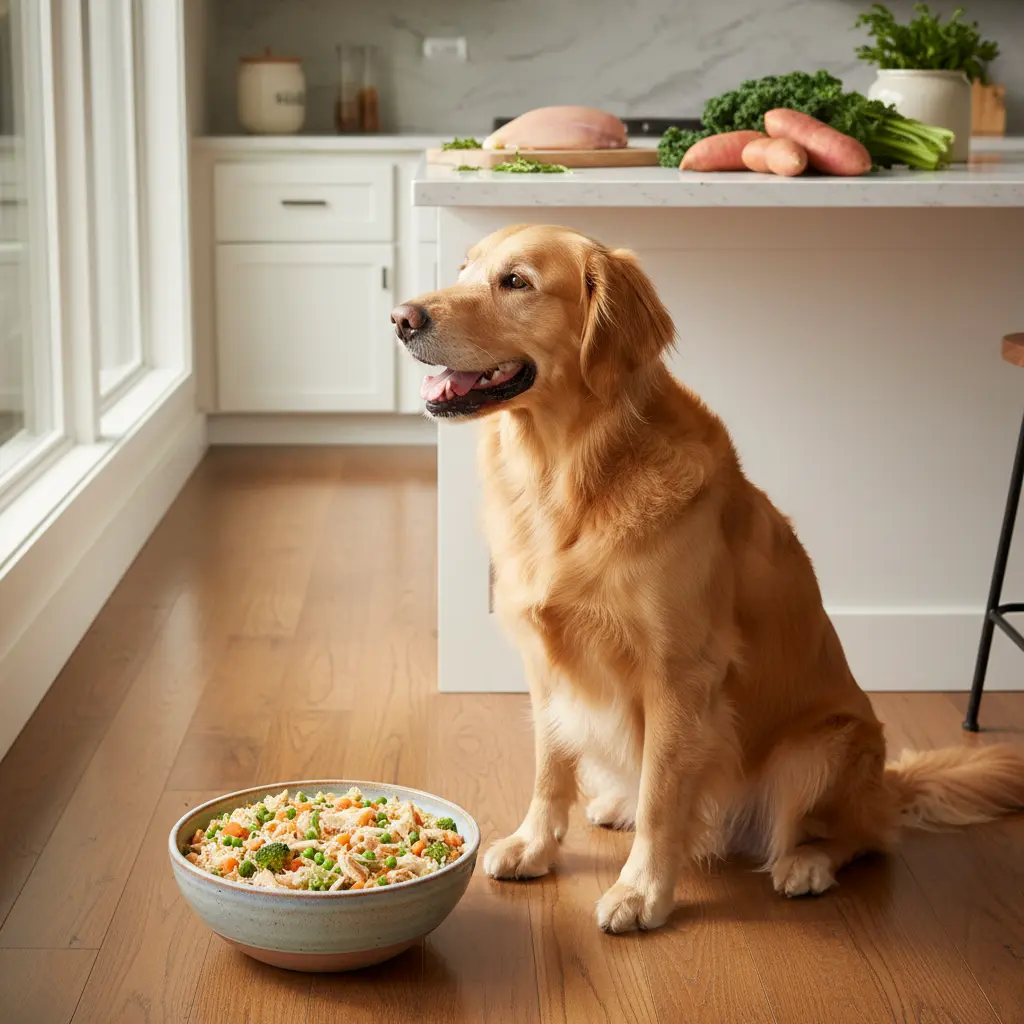
Meta Description: Struggling with a fussy pup? Discover vet-approved Homemade Dog Food for Picky Eaters with easy recipes and proven strategies to make mealtime exciting again.
Is your dog turning mealtime into a battle of wills? You’re not alone. Many pet parents face the challenge of Homemade Dog Food for Picky Eaters – creating nutritious meals that actually get eaten. This comprehensive guide will transform your approach to canine cuisine and help your fussy friend fall in love with food again.
Why Choose Homemade Dog Food for Picky Eaters?
Commercial dog foods, while convenient, often lack the fresh aromas and textures that entice selective dogs. Homemade Dog Food for Picky Eaters offers several advantages:
- Control over ingredients and quality
- Customizable textures and flavors
- Freshness that enhances aroma and taste
- Ability to rotate proteins to prevent boredom
Understanding Your Picky Eater
Before creating Homemade Dog Food for Picky Eaters, understand what might be causing the finicky behavior:
Common Reasons for Picky Eating:
- Medical Issues: Dental problems, digestive discomfort, or underlying health conditions
- Behavioral Patterns: Learned behavior from getting “better” treats
- Food Sensitivities: Unpleasant reactions to certain ingredients
- Environmental Stress: Anxiety or changes in routine affecting appetite
Always consult your veterinarian before making dietary changes to rule out medical causes.
Essential Nutrition for Homemade Dog Food
Creating balanced Homemade Dog Food for Picky Eaters requires understanding canine nutritional needs:
Key Nutritional Components:
- High-quality protein (50% of meal)
- Healthy carbohydrates (25% of meal)
- Vegetables and fruits (25% of meal)
- Essential fatty acids
- Vitamins and minerals
Vet-Approved Recipes for Homemade Dog Food for Picky Eaters
Recipe 1: Savory Chicken and Sweet Potato Delight
Ingredients:
- 2 cups cooked chicken breast, shredded
- 1 cup mashed sweet potato
- ½ cup steamed carrots, pureed
- ¼ cup plain yogurt
- 1 tablespoon fish oil
- Vet-recommended supplement mix
Instructions:
- Combine warm shredded chicken with mashed sweet potato
- Mix in carrot puree and yogurt
- Add fish oil and supplements once cooled
- Serve at room temperature to enhance aroma
Recipe 2: Salmon and Quinoa Supreme
Ingredients:
- 1½ cups cooked salmon, flaked
- 1 cup cooked quinoa
- ½ cup steamed green beans, chopped
- ¼ cup pumpkin puree
- 1 teaspoon coconut oil
- Vet-recommended calcium supplement
Instructions:
- Flake cooked salmon into small pieces
- Mix with warm quinoa and green beans
- Stir in pumpkin puree and coconut oil
- Add supplements as directed
Pro Tips for Success with Homemade Dog Food for Picky Eaters
Texture and Temperature Matters:
- Warm food slightly to enhance aroma
- Experiment with textures – some dogs prefer purees, others like chunks
- Maintain consistency while gradually introducing variations
The Art of Presentation:
- Use puzzle feeders to make eating fun
- Try different bowls – some dogs dislike certain materials
- Create food “trails” to engage their natural foraging instincts
Flavor Enhancers (Safe Options):
- Bone broth (unsalted)
- Sprinkle of Parmesan cheese
- Sardine juice
- Nutritional yeast
Transitioning to Homemade Dog Food for Picky Eaters
The 7-Day Transition Plan:
Days 1-2: 25% homemade food mixed with 75% current food
Days 3-4: 50% homemade food mixed with 50% current food
Days 5-6: 75% homemade food mixed with 25% current food
Day 7: 100% homemade food
Common Mistakes to Avoid with Homemade Dog Food for Picky Eaters
- Incomplete nutrition – always include vet-recommended supplements
- Sudden changes in diet that cause digestive upset
- Overcomplicating recipes – start simple
- Using unsafe ingredients like onions, garlic, or grapes
- Neglecting dental health – include dental chews or crunchy elements
Storage and Food Safety for Homemade Dog Food
- Refrigerate for up to 3 days
- Freeze in portion-sized containers for up to 3 months
- Thaw in refrigerator overnight
- Discard uneaten food after 2 hours at room temperature
When to Seek Professional Help
While Homemade Dog Food for Picky Eaters can solve many feeding issues, consult your veterinarian if:
- Your dog completely refuses food for more than 24 hours
- You notice weight loss or lethargy
- There are signs of vomiting or diarrhea
- Your dog has specific health conditions requiring specialized diets
Success Stories: Real Results with Homemade Dog Food for Picky Eaters
“After months of struggling with my German Shepherd’s picky eating, switching to homemade meals transformed our mealtimes. The salmon and quinoa recipe became an instant hit!” – Sarah T., dog parent
“My senior Chihuahua had become so selective that he was losing weight. Creating customized homemade food allowed me to adjust textures and flavors to suit his changing preferences.” – Michael R., pet owner
Frequently Asked Questions About Homemade Dog Food for Picky Eaters
Q: How do I ensure my homemade dog food is nutritionally complete?
A: Work with your veterinarian or a canine nutritionist to create balanced recipes and include necessary supplements.
Q: Can I use raw ingredients in homemade dog food for picky eaters?
A: While some owners choose raw diets, cooked foods are generally safer and more appealing to picky eaters due to enhanced aromas.
Q: How much homemade food should I feed my picky eater?
A: Portions depend on your dog’s size, age, and activity level. Start with your vet’s recommendation and adjust based on your dog’s weight and energy levels.
Conclusion: Transforming Mealtime with Homemade Dog Food for Picky Eaters
Creating Homemade Dog Food for Picky Eaters requires patience and experimentation, but the rewards are immense. Watching your previously finicky dog eagerly approach their bowl makes the extra effort worthwhile. Remember:
- Start with simple, vet-approved recipes
- Be patient during the transition
- Monitor your dog’s health and adjust as needed
- Enjoy the process of creating special meals for your furry friend
With this guide to Homemade Dog Food for Picky Eaters, you’re equipped to turn mealtime stress into feeding success. Here’s to happy, healthy eating for your beloved companion!